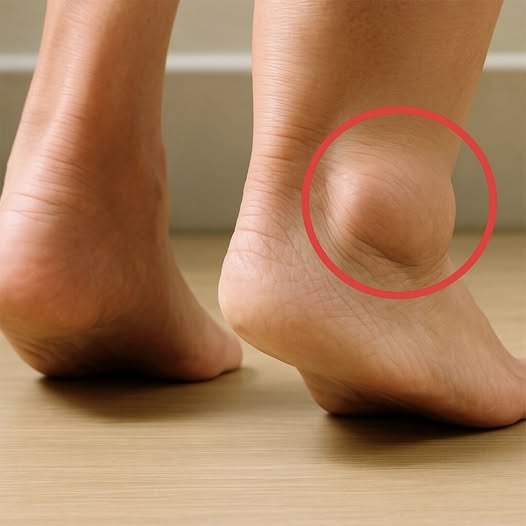
🦵 Understanding Leg Swelling: What It Means and When to Take Action
Leg swelling—also known as peripheral edema—is a common condition that can range from mildly uncomfortable to a sign of a more serious health concern. It occurs when fluid builds up in the tissues of the lower legs and feet, often causing heaviness, tightness, or puffiness. While some swelling is temporary and harmless, persistent or sudden swelling may require medical attention.
💧 What Causes Leg Swelling?
Leg swelling typically results from fluid retention, and there are several possible reasons this might happen:
- Prolonged Sitting or Standing: Staying in one position too long can slow circulation, causing fluid to pool in the legs.
- Injuries or Infections: A strain, sprain, or localized infection can cause swelling in one leg or a specific area.
- Heart, Liver, or Kidney Conditions: These organs regulate fluid in the body. If one isn’t functioning properly, swelling may occur.
- Poor Vein Function (Venous Insufficiency): If the valves in your leg veins don’t work efficiently, blood can collect, leading to swelling.
- Medications: Certain drugs, like NSAIDs or calcium channel blockers for blood pressure, can cause fluid retention in the legs.
👀 What to Look For: Signs of Swollen Legs
Besides the obvious puffiness, here are other signs that may come with leg swelling:
